Table of Contents
New! Numerous therapeutic approaches and strategies can be tailored to the certain demands and characteristics of the family. Households may seek therapy for numerous factors, consisting of: troubles interacting effectively might lead to misconceptions, disputes, or consistent arguments.
chronic illness or impairment may need coping methods, role modifications, and stress and anxiety management. dealing with the effects of past injury or misuse within the family members system commonly needs specialist treatment to recover and rebuild depend on. enhance relationships, boost communication skills, and foster a much healthier family members atmosphere. Treatment offers a risk-free area for households to discover their dynamics, boost understanding, develop much healthier patterns, and learn reliable methods to take care of challenges.
The efficiency of a household treatment session counts on several important ideas and methods that cultivate an atmosphere helpful to meaningful interaction and progression. Foundational in household treatment, this preliminary step involves developing a risk-free and non-judgmental room where each family member feels comfy sharing themselves.
Show genuine understanding and empathy toward each relative's experiences and feelings. Develop an environment where everyone really feels heard, valued, and validated, regardless of varying point of views or problems. Guarantee household participants their personal privacy is respected and discuss the definition of privacy. When a trustworthy and respectful ambience is completely established, relative are extra most likely to open, share their thoughts and feelings, and proactively involve in the restorative procedure.
Transforming Blame to Compassion
Emphasis on: Advertise an environment where family participants diligently pay attention without interrupting or judging each various other. Instruct member of the family to repeat what they've listened to, ensuring a clear understanding of each various other's perspectives. Acknowledge and validate everybody's feelings, also if they vary from one another. Active paying attention fosters compassion, boosts understanding, and lessens misunderstandings promoting healthier interaction within the household.
Guarantee the goals are lined up with the family members's demands. Clear goals supply direction and focus during treatment, directing treatments and aiding household members track their development.
Acknowledge and appreciate each family participant's input, highlighting the worth of their point of view. Make certain that no one dominates the conversation and encourage quieter family participants to talk up.
Why Adults Unconsciously Recreate Trauma Responses
If you make use of these strategies, you will certainly help with a much more efficient and impactful restorative journey. The first session offers as an introduction to you and the restorative procedure. Enable each household participant to present themselves, sharing their factor for looking for treatment and their assumptions.

Gather info concerning family characteristics, partnerships, and issues. Determine staminas and challenges within the family. Discuss the family members's aspirations.
Ask the grownups to complete and sign any kind of authorization or release types, in addition to any kind of other required documentation. 10. Develop a framework that assists in effective communication, problem-solving, and progression towards healing goals. Right here's a comprehensive failure of each phase. 1. To understand each member of the family's emotional state and problems, begin the session by enabling each member to briefly share their current thoughts, feelings, and any kind of updates.
3. Collaboratively develop the emphasis for the session and recognize pushing issues that call for conversation. This action guarantees that everyone really feels heard and that the session addresses pertinent concerns. 4. 5. Wrap-up goals and examine the progression made to track the family members's progress and identify what needs to be addressed.
How Adults Unconsciously Recreate Trauma Responses
Create a risk-free atmosphere where each family member really feels comfy revealing themselves. Encourage considerate interaction and assistance members understand each other's perspectives. Evaluation the key understandings, conversations, and conclusions reached during the session.
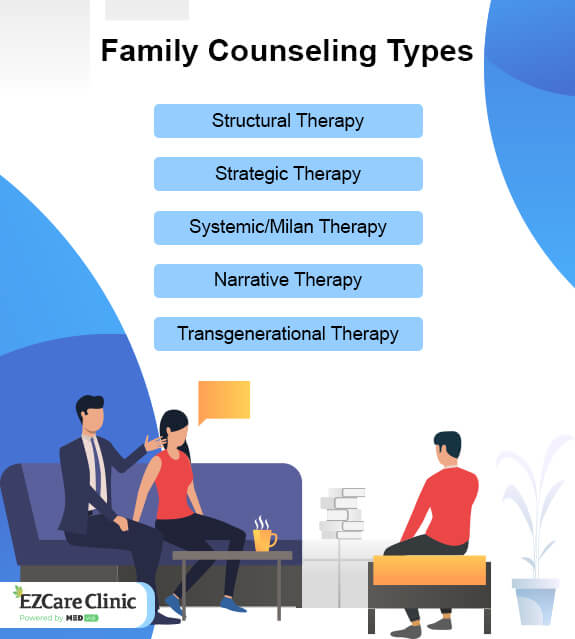
Foster an atmosphere where each household member really feels secure, approved, and appreciated no matter of their point of views or actions. Show genuine compassion by proactively paying attention and verifying the feelings and experiences shared by each family participant.
Breaking Cycles of Pain
It can help moms and dads and caregivers understand the root causes of troublesome actions and establish strategies to address it. Family members typically encounter difficulties during significant life transitions such as separation, loss, or moving. Family therapy can supply support and guidance to assist families adjust to these adjustments and browse them with greater convenience.
This can have a positive effect on the psychological and psychological wellness of all relative. Entailing the family in the treatment process develops an extra supportive atmosphere for members dealing with conditions like anxiety or dependency. By addressing and solving disputes and dysfunction, family therapy can help stop future issues and promote much healthier connections.
1. 2. Initially, focus on developing a strong restorative alliance with the family members. This includes: Structure depend on with each family member. Collaborating with the family members to establish clear, details, and achievable treatment objectives that are straightened with the family's worries and motivations for looking for therapy. Clarify the functions of each relative while discussing the therapeutic process and going over the dedication needed for progression.

Navigation
Latest Posts
Recognizing Anxiety in Young Kids
Physical Self-Perception Work in OCD Treatment
Moving Toward Integration Beyond Inherited Pain Through Disconnection & Dissociation Therapy